




 Whitman Expo
-
Board of Revenue Bank (行銀部戸) Currency & Banknote Values
Banknote Book® Price Guide

Sort by
Sponsor

Sponsor

Sponsor

Sponsor

Sponsor

Legal Disclaimer
The prices listed in our database are intended to be used as an indication only. Users are strongly encouraged to seek multiple sources of pricing before making a final determination of value. CDN Publishing is not responsible for typographical or database-related errors. Your use of this site indicates full acceptance of these terms.
The Board of Revenue Bank (行銀部戸) series of China National Banks in the World Currency contains 13 distinct entries.
The Boxer Rebellion of 1899 - 1901 convinced the Chinese authorities of the urgent need for reform in the area of commerce and finance. In 1904, the Jenks Commission report was published, recommending the gradual adoption of the gold standard and the establishment of a national bank in China to assist in monetary reform. As an initial step to this end, the Board of Revenue (B401) and the Council of Finance petitioned the Qing emperor for the establishment of a national bank under Board of Revenue control. This petition was approved on 16 March 1904 and, although regulations pertaining to the new bank were soon agreed, there was no reference to monetary reform. It was decided the new national bank be named the Board
of Revenue Bank (BRB: Chinese 戸部銀行), that it was to be capitalized at 4 million taels, that shareholders were to be of Chinese nationality only, and that control of the bank was to remain in government hands. By the close of 1908, the Board of Revenue Bank had expanded to 18 branches. Article 21 of the Board of Revenue Bank regulations stipulated that the notes issued by the bank and its branches “shall be good for payment of all accounts, public or private; they shall be considered as good as cash. Provinces are authorized to pay their revenues to the
Imperial Government in these notes. People of all classes who refuse to recognize these notes, or who attempt to discount them, shall be severely punished.” Between 1905 and 1910, the Board of Revenue Bank changed its Chinese name twice and its English translation three times. Although many of these changes were cosmetic, they yield five different Chinese-English combinations appearing on issued notes. These are summarized in the table below. Further notes were issued by regional bank branches, not listed below. In 1912, the institution
became the Bank of China.
See More See Less
 Loading more ...
Legal Disclaimer
The prices listed in our database are intended to be used as an indication only. Users are strongly encouraged to seek multiple sources of pricing before making a final determination of value. CDN Publishing is not responsible for typographical or database-related errors. Your use of this site indicates full acceptance of these terms.
Available on Greysheet Marketplace
View All

Buy Now: $1,000.00

Buy Now: $550.00

Buy Now: $845.00
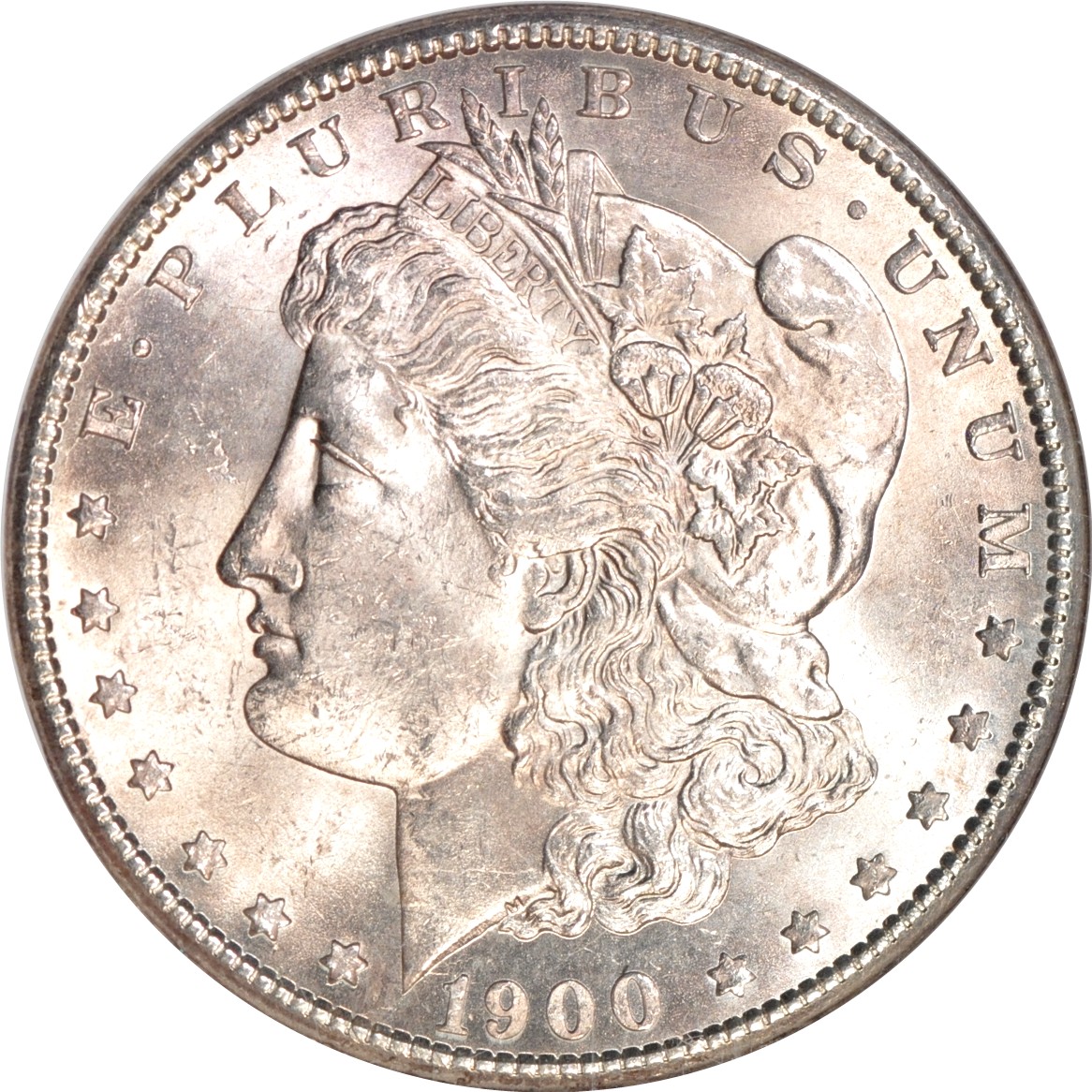
Buy Now: $900.00
Dealer Directory
View All Dealers




Greysheet News
View All News

Whitman Expos and Raleigh Coin Club Partner to Create the Carolinas' Premier Collecting Event and a New National Numismatic Destination.

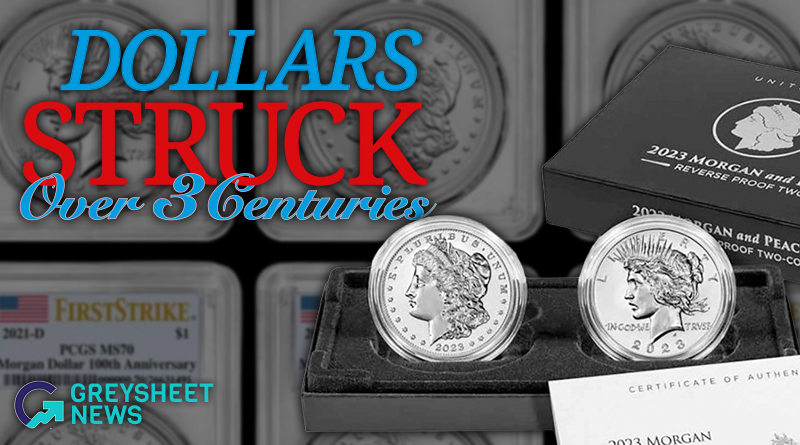
As dealers, collectors and investors all know, Morgan and Peace silver dollars are extremely popular American coins because of their history, legends, and silver content.
![Greysheet Market Report: Rare Coin Secrets & Franchising [Video]](https://images.greysheet.com/l/blogs/20260814/8a38731b-72e6-4c01-a1c0-701579da2500.jpg)
Talking Franchising and Coins! A Podcast featuring John Feigenbaum and John McGrath.
Events
View All Events
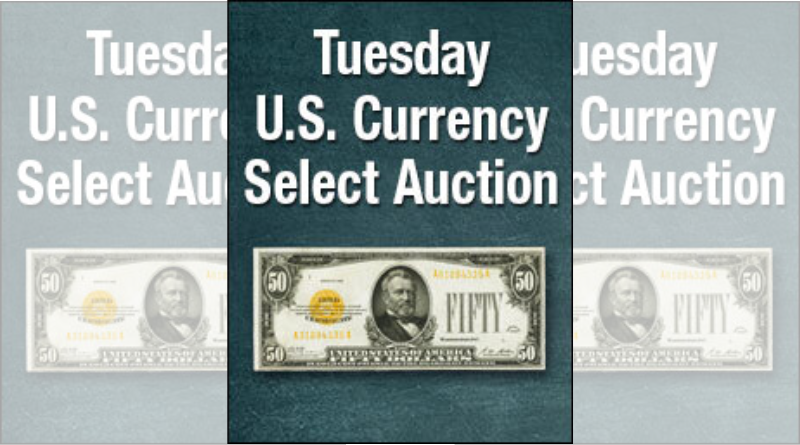

Heritage Auctions

Tuesday, June 2, 2026
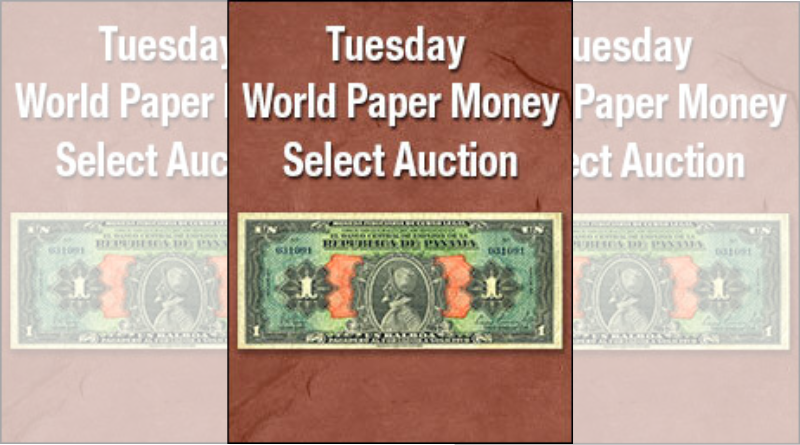
Heritage Auctions
Tuesday, June 2, 2026
Heritage Auctions
Wednesday, June 3, 2026