



 Whitman Expo
-
New Caledonia Currency & Banknote Values
Greysheet & Red Book® PRICE GUIDE


 Loading more ...
Sponsor

Sponsor
Sponsor
Sponsor
Available on Greysheet Marketplace
View All

Buy Now: $495.00

Buy Now: $845.00

Buy Now: $490.00

Buy Now: $895.00
Dealer Directory
View All Dealers
Sullivan Numismatics, Inc
FEATURED


Coinfully
FEATURED

Greysheet News
View All News

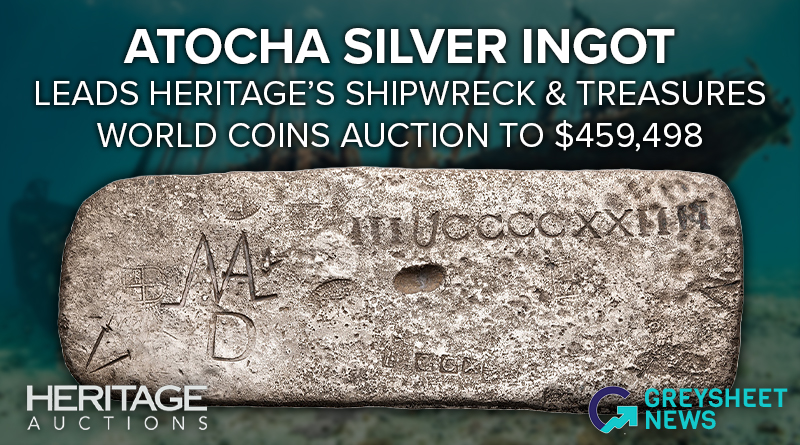
Atocha, 1715 Fleet and Whydah treasures among top highlights in Aug. 9 event.
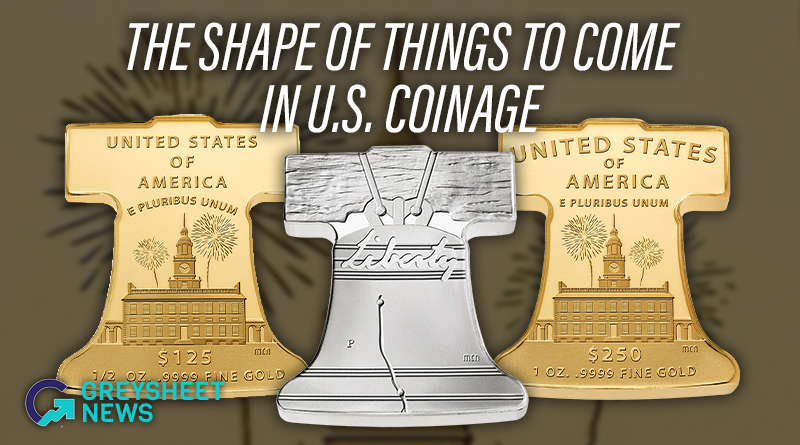
The U.S. Mint is planning to release the first U.S. coinage and medal of a shape other than round.
Events
View All Events
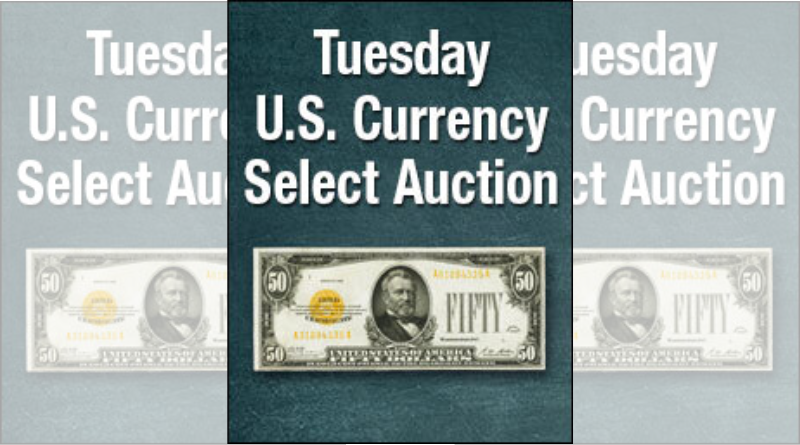

Heritage Auctions

Tuesday, June 2, 2026
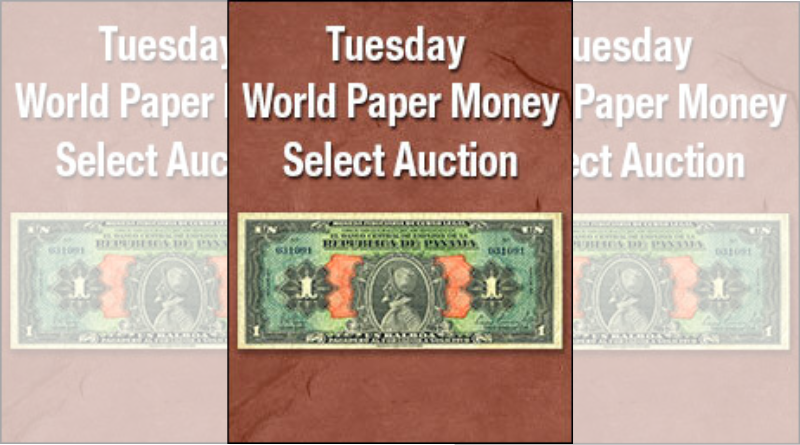
Heritage Auctions
Tuesday, June 2, 2026
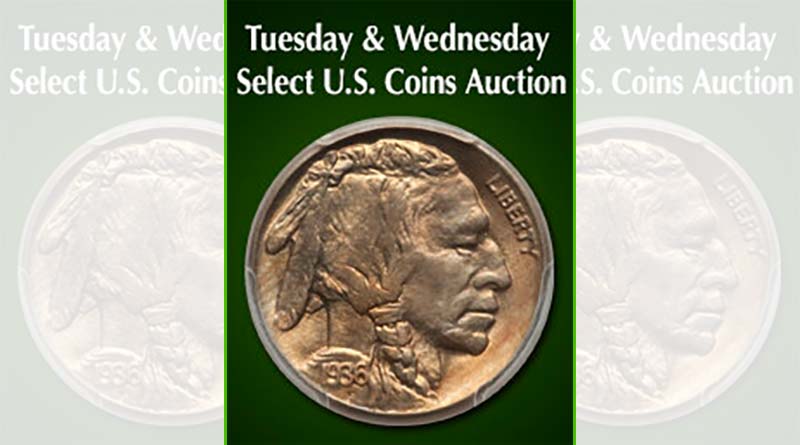
Heritage Auctions
Wednesday, June 3, 2026
Legal Disclaimer
The prices listed in our database are intended to be used as an indication only. Users are strongly encouraged to seek multiple sources of pricing before making a final determination of value. CDN Publishing is not responsible for typographical or database-related errors. Your use of this site indicates full acceptance of these terms.